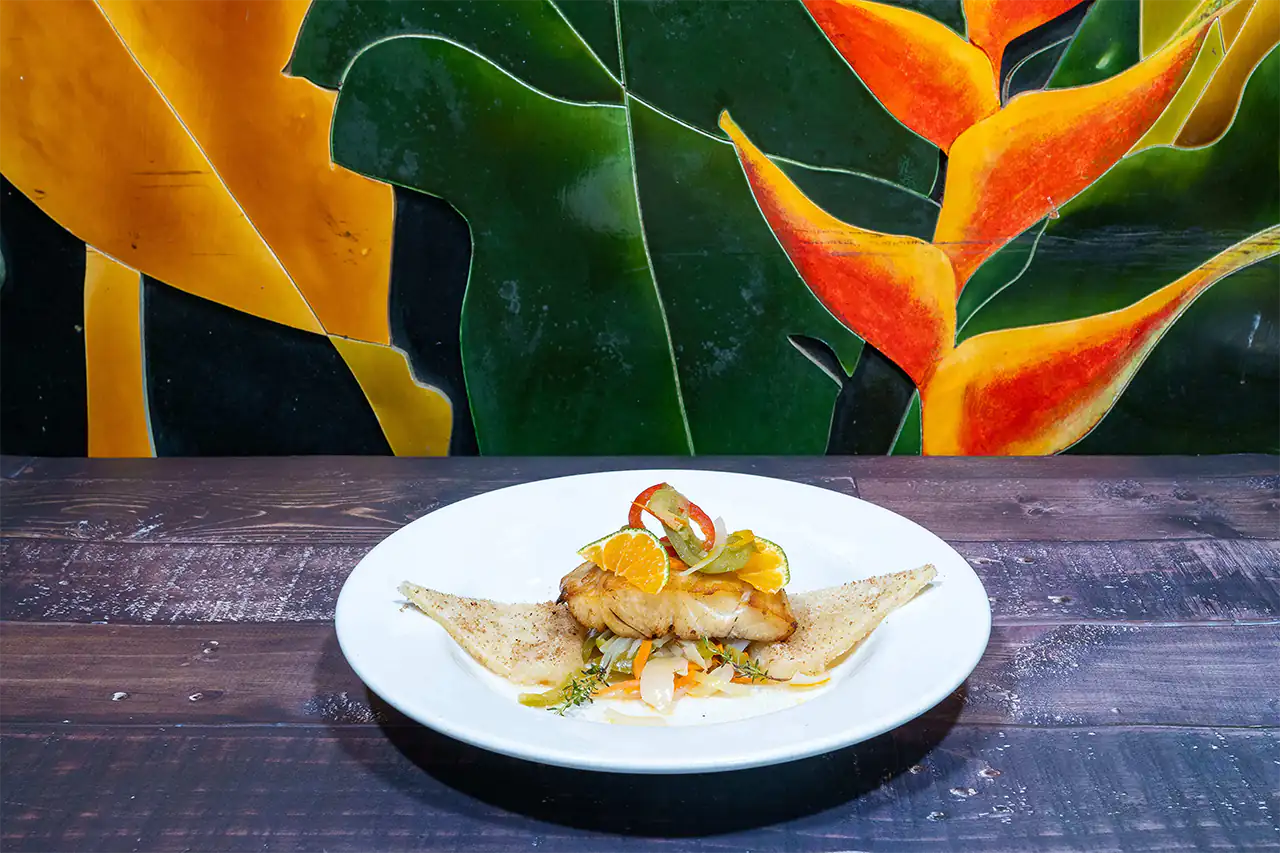

If you want Jamaica on a plate, you need to have ackee and saltfish. This dish is one of the most quintessential Jamaican breakfast meals. It’s a little sweet, a little salty, and a little bit of something else. Like most Jamaican cuisine, what stands out the most is the freshness. This national dish has a secret – if you rush the harvest of the ackee, this tropical treasure becomes a dangerous gamble.
What Is Ackee and Saltfish?
Ackee is a tropical fruit that looks a bit like a bell pepper until it ripens. When this fruit is ripe, it splits open, showing a thick, creamy yellow flesh with large black seeds, do not harvest before it’s fully opened. While it is a fruit, its preparation is more like that of a vegetable. The result looks a bit like scrambled eggs and has a rich buttery flavor.
Saltfish is a bit more obvious. Always a white fish, usually cod that’s been salted and dried to be preserved. Once boiled and flaked the texture becomes tender, flaky and savory. Typically the two are sautéed together with onions, peppers and tomatoes for a full fresh meal to start the day.
Why It Matters in Jamaica
For Jamaicans the smell of ackee and saltfish frying on a Sunday morning is like waking up to a warm hug, it’s absolute comfort. This dish however, goes much deeper. Saltfish was initially brought to the island centuries ago as it was long-lasting food for people who were enslaved. Around the same time the Ackee tree was brought over from West Africa. Between these and iconic Jamaican spices a world-class delicacy was born. While this dish has its roots in survival it’s become an undeniable Jamaican staple.
Ackee and saltfish is most commonly eaten for breakfast and brunch, but we all know someone who can eat breakfast any time of day. Seasonally ackee grows twice a year; January-March and June-August. Outside of season is a time for preserved ackee, which can be a bit softer, making this dish a year-round pleasure. Trying this national dish will transform your stay and deepen appreciation for the flora growing right outside your treehouse-styled cabin. Imagine the sound of the oil crackling in the pan and the smells of a savory breakfast filling the air.
What’s Usually Served With It
While this dish may be served at embassies and the like, every region has its own twist on this historic dish. Throughout the island, certain crops grow better in certain regions. For example, Trelawny is known as Jamaica’s Yam Belt, so you’ll likely see it accompanying this dish. Across Portland and St. Thomas, well known for heavier rainfall, results in Yellow-heart breadfruit. Two things no Jamaican can deny, though, are fried dumplings and boiled green bananas, especially here in Westmoreland.
Try a Taste of Jamaica
Besides Jamaican beef patty, ackee and saltfish may be your next gateway dish into Jamaican cuisine. Step out of your comfort zone and try this historic dish during your stay. This simple breakfast has the power to transform a basic vacation into a connection with Jamaica.